Jump to
Alcaro | Badaoui | Barreca | Biswas | Bryant | Cournia | Ecker | Grisoni | Hessler | Jacoby | Jalaie | Jorgensen | La Sala | Lepšík | Luque | Moraca | Pala | Perricone | Rauh | Schleifer | Schütz | Sippl | Talarico | Wolber
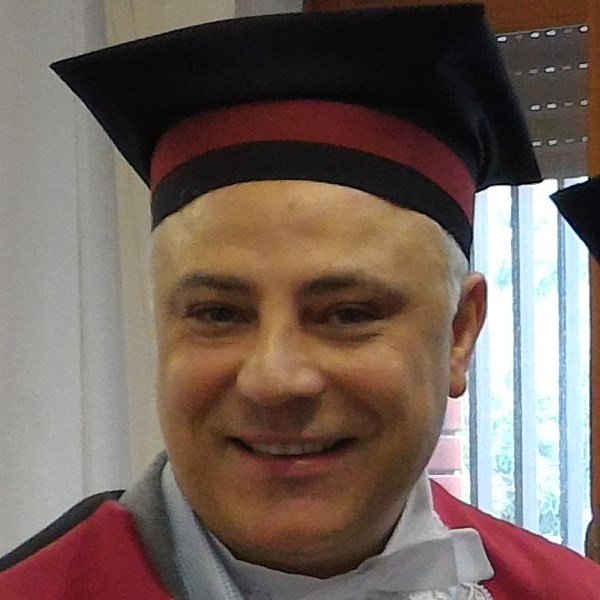
ALCARO, Stefano
Stefano Alcaro is Full Professor in medicinal chemistry at the Department of Health Sciences, University “Magna Græcia” of Catanzaro (UMG), Italy. He graduated Magna Cum Laude in pharmaceutical chemistry and technology in 1990 and obtained a PhD in pharmacology later at Sapienza University of Rome. In 1994 he got a PostDoc position at the Columbia University, (NYC, USA) under the supervision of Prof. Still, and in 1996 he held the position of researcher at the University of Magna Græcia, where he established the Computational Chemistry Lab (CCLab). From 2002, he fulfilled the role of Associate Professor in medicinal chemistry at the UMG, until he was appointed as Full Professor in 2011. Prof. Alcaro is also the coordinator of the Doctoral Programme in Life Sciences at the same University, and president of the COST Action “MuTaLig CA15135”. His research topics focus on the development of molecular modeling tools aimed at discovering new drug candidates, in particular those endowed with anticancer, antiviral, and multitargeted activities. Up to 2022, Prof. Alcaro is (co)author of 258 scientific papers published in peer-reviewed international Journals, with an H-index equal to 47.
Targeting the G-quadruplex DNA by in silico designed ligands
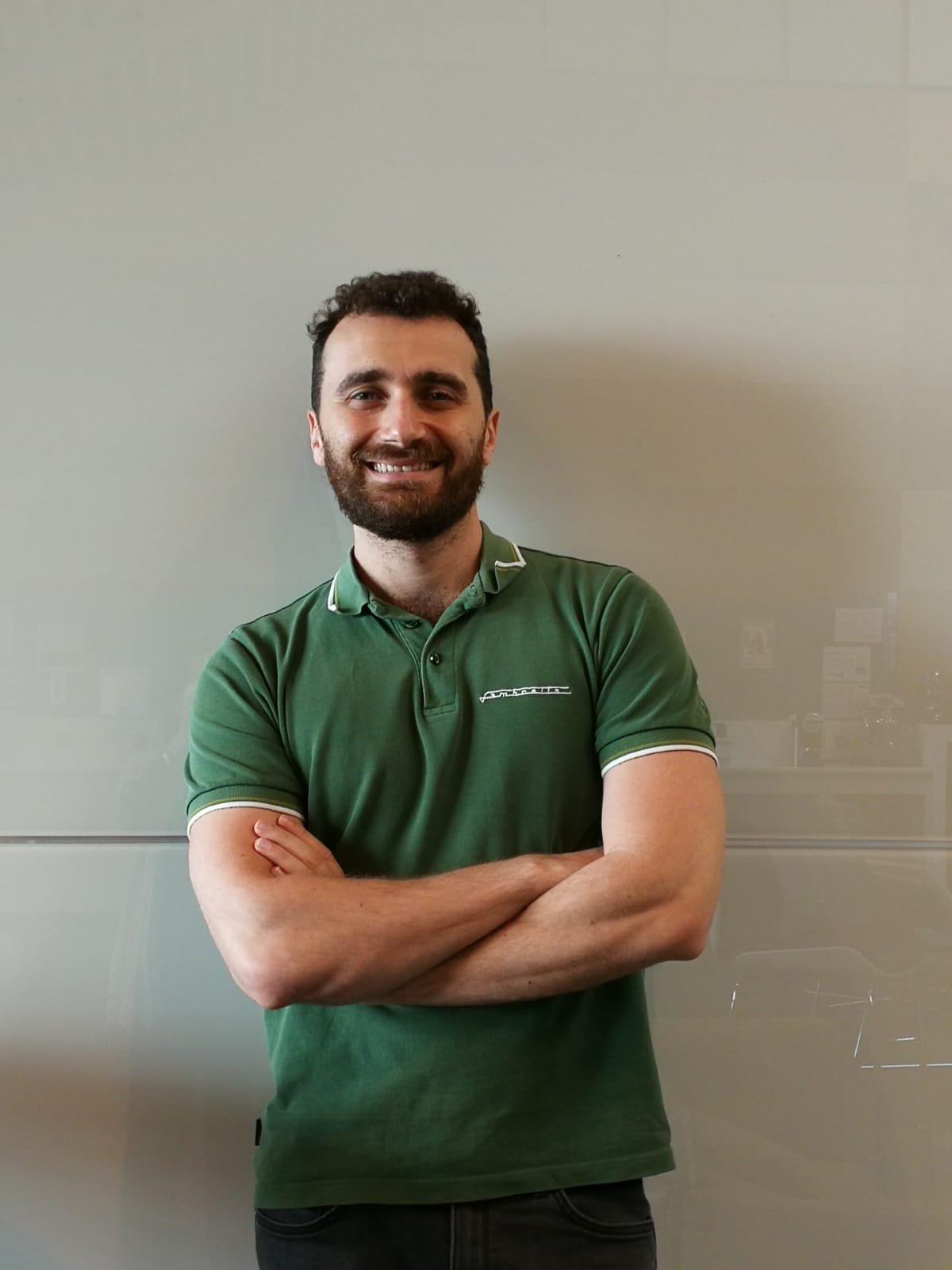
BADAOUI, Magd
Magd Badaoui is a Senior Application Scientist II at Schrödinger in London, where he provides expert scientific and technical support to UK and European life-science customers. He specializes in software demonstrations and establishing best practices for computational chemistry suites. Previously, Magd was a Molecular Dynamics Research Scientist at Exscientia, where he developed algorithms for binding pose metadynamics and automated protein-ligand simulation pipelines to accelerate drug discovery. He also held a Postdoctoral position at University College London (UCL) focused on enhanced MD for predicting protein-ligand unbinding. Magd holds a PhD in Computational Biochemistry from King’s College London and the Francis Crick Institute, a Master’s in Drug Discovery from UCL, and a PharmD from the University of Milan.
The Importance of Water in Drug Discovery: Designing with Solvation Energetics
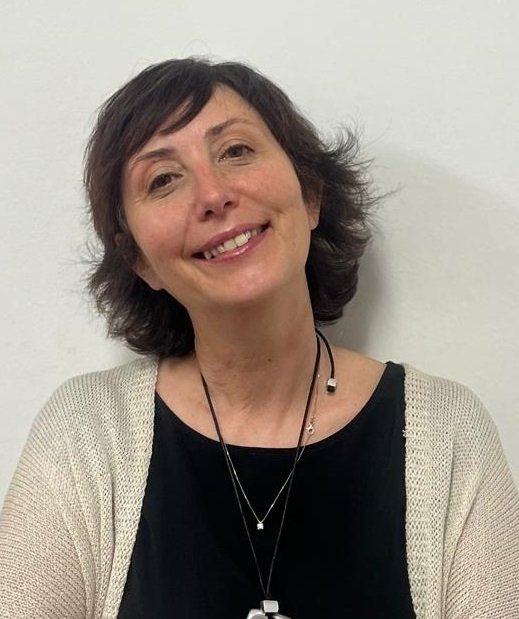
BARRECA, Maria Letizia
Maria Letizia Barreca is Associate Professor of Medicinal Chemistry at the Department of Pharmaceutical Sciences, University of Perugia. Her research focuses on computer-aided drug design (CADD), with particular emphasis on the discovery of small molecules targeting neurodegenerative diseases, cancer, and antimicrobial resistance, as well as on the development of computational tools to advance the field. She began her academic career at the University of Messina and was a Visiting Scientist at the University of Houston (USA) from 2000 to 2001. In 2007, she joined the University of Perugia. From 2017 to 2022, she served as an expert consultant in Medicinal Chemistry for the international law firm Herbert Smith Freehills LLP (London, UK) on behalf of the biopharma company Gilead Sciences. Her distinctions include the Italian Chemical Society–Farmindustria Award for Pharmaceutical Research and inclusion in the VIA-Academy Top Italian Scientists list. Since 2021, she has also served as a mentor in the Young Scientists Network of the European Federation for Medicinal Chemistry (EFMC-YSN) Mentoring Programme. Prof. Barreca is co-founder and shareholder of Sibylla Biotech S.p.A., a biotechnology company leveraging the Pharmacological Protein Inactivation by Folding Intermediate Targeting (PPI-FIT) platform to develop folding-interference small molecules as a novel therapeutic strategy.
Driving Innovation in Small-Molecule Drug Discovery: Novel MoA and Data-Enabled Tools
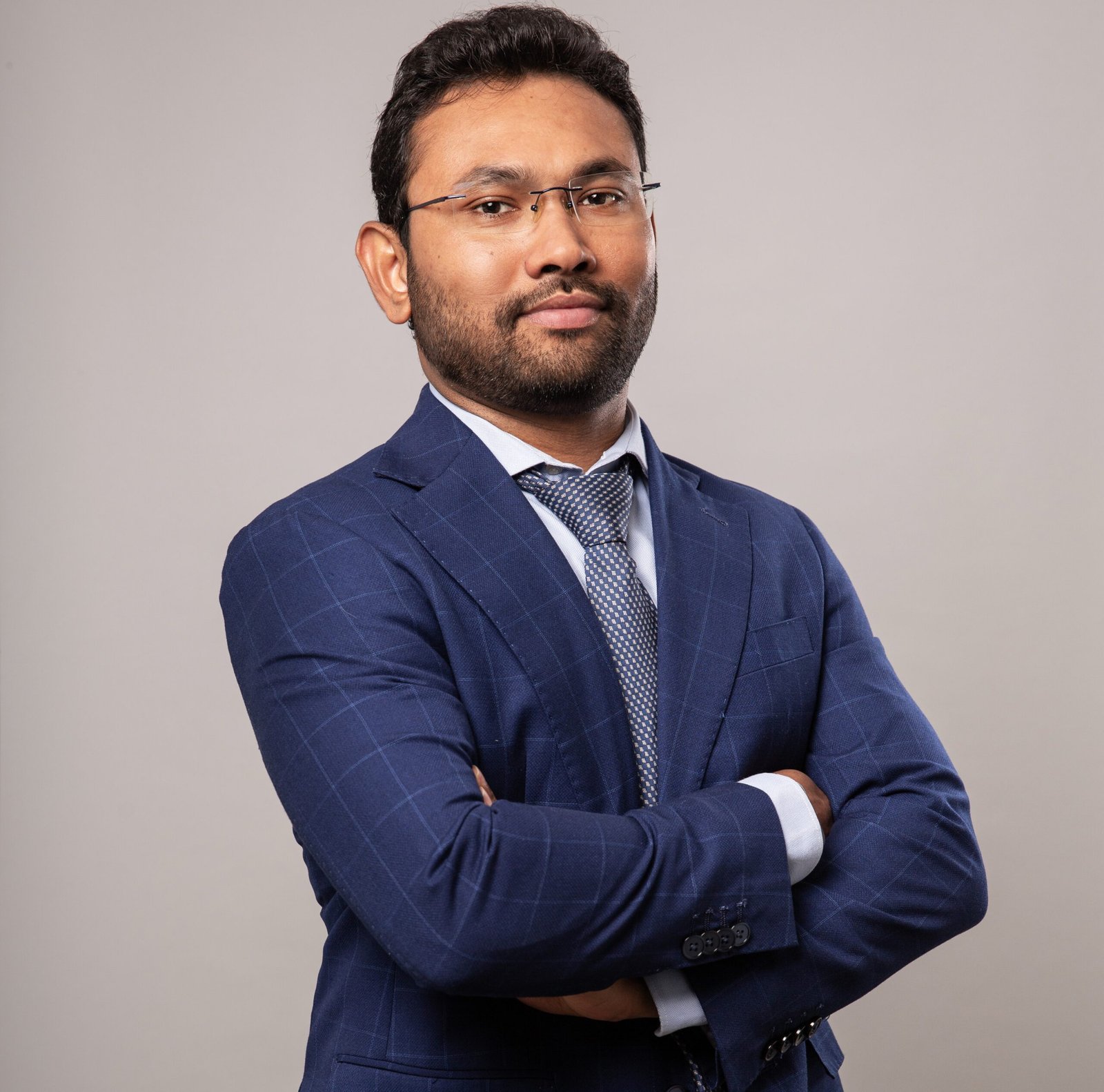
BISWAS, Akash Deep
Dr. Akash Deep Biswas is a computational scientist specializing in silico drug discovery, AI-driven molecular modeling, molecular simulation, and computational chemistry. He currently works within the Exscalate team at Dompé Farmaceutici, contributing to the development and application of advanced computational approaches for pharmaceutical research and drug discovery. His work focuses on integrating molecular simulations, predictive modeling, and high-performance computing to support the identification and optimization of therapeutic candidates. Throughout his career, he has contributed to interdisciplinary research initiatives spanning academia and industry, with expertise in molecular modeling, structural biology, and data-driven methods for translational science.
EXSCALATE: An Integrated AI and HPC Platform for Modern Drug Discovery – Platform overview and real-world applications
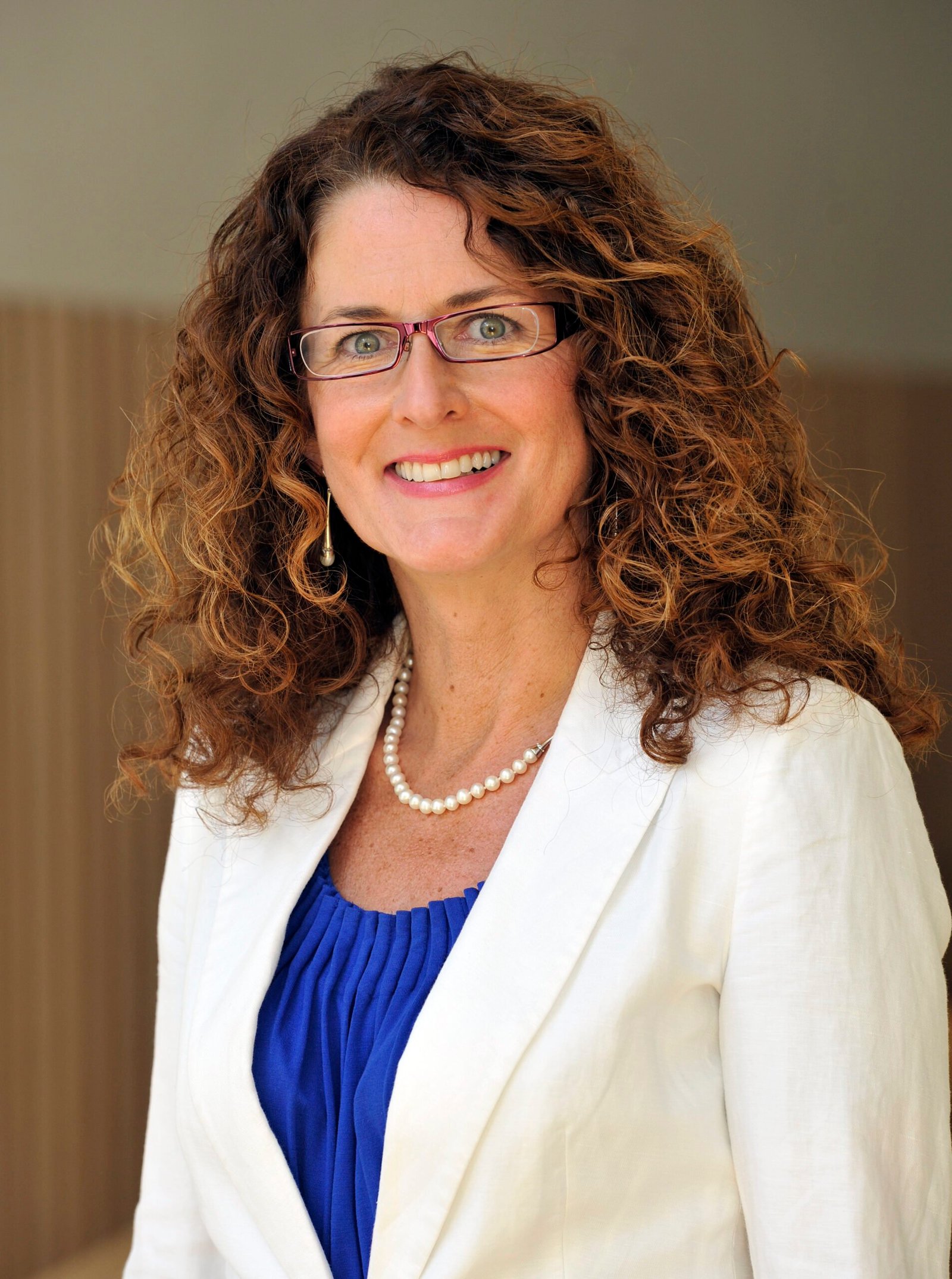
BRYANT, Sharon
Sharon Bryant is CEO at Inte:Ligand GmbH, a company that leads the field in 3D-pharmacophore modeling and virtual screening technology, and is known for the development of the program LigandScout. She has more than 30 years experience in computer aided molecular design, working extensively with pharmaceutical cosmetic, nutrition, and other life science industries, to identify bioactive molecules and provide design and chemistry decision support. Prior to joining Inte:Ligand, she was a Research Scientist at the National Institutes of Health USA, where she worked on developing compounds targeting opioid receptors. She has patents covering opioid inventions and has authored more than 150 scientific publications. She is also Guest Professor at University of Vienna Austria, where she teaches in the Master in Preclinical Drug Discovery program. Her most recent endeavor, together with the Inte:Ligand team, has been the development of the NeuroDeRisk IL Profiler, an in silico solution for profiling and identifying chemical structures with risk for neurotoxic adverse outcomes.
Harnessing Next Generation Pharmacophores for Accelerating and DeRisking Drug Discovery
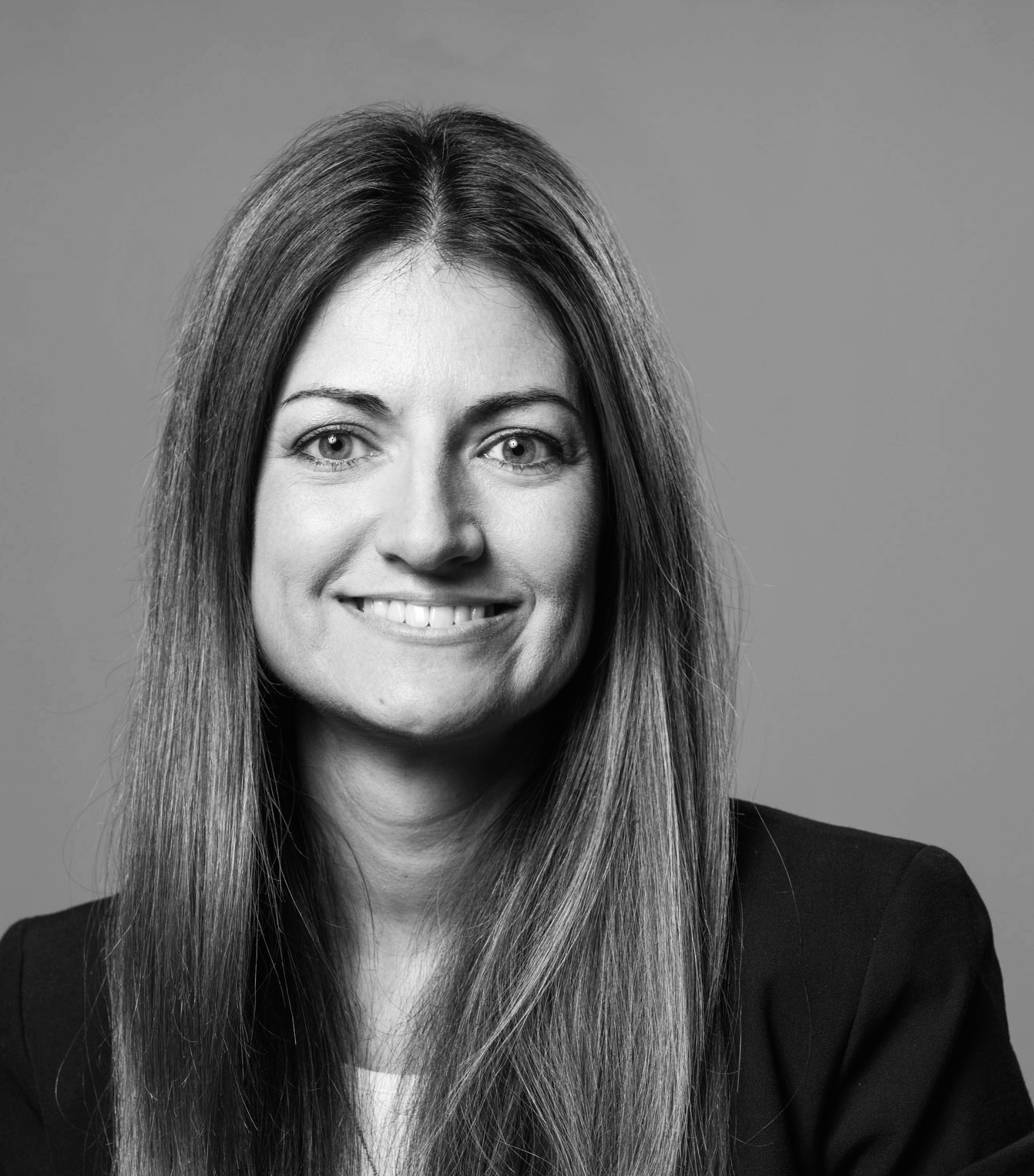
COURNIA, Zoe
Dr. Cournia is Director of Research at the Biomedical Research Foundation, Academy of Athens, where she works on anticancer drug and materials design using High Performance Computing and Artificial Intelligence (http://www.drugdesign.gr). She graduated from the Chemistry Department, University of Athens in 2001 and received her PhD at the University of Heidelberg in Germany in 2006. She then worked as a postdoctoral researcher at the Chemistry Department, Yale University, USA, with Bill Jorgensen and in 2009 she became a Lecturer at Yale College. She has been awarded with the American Association for Cancer Research Angiogenesis Fellowship (2008), the “Woman of Innovation 2009” Award from the Connecticut Technology Council, USA, the Marie Curie Fellowship from the European Union (2010), the “Outstanding Junior Faculty Award” from the American Chemical Society (2014) and the first “Ada Lovelace Award” from the “Partnership for Advanced Computing in Europe” (2016). She was a member of the Infrastructure Advisory Group (INFRAG) of the European High Performance Computing Joint Undertaking in 2018-2021 and in 2022 she was appointed as the Greek representative in the Innovative Health Initiative Joint Undertaking. She is an Executive Editor with the Journal of Chemical information and Modeling, American Chemical Society and the national representative of Greece in the Division of Computational and Theoretical Chemistry in the European Chemical Society. She is currently teaching at the Master’s program “Data Science and Information Technologies” at the Department of Informatics and Telecommunications, National University of Athens.
Allostery in Drug Discovery: From MD to ML
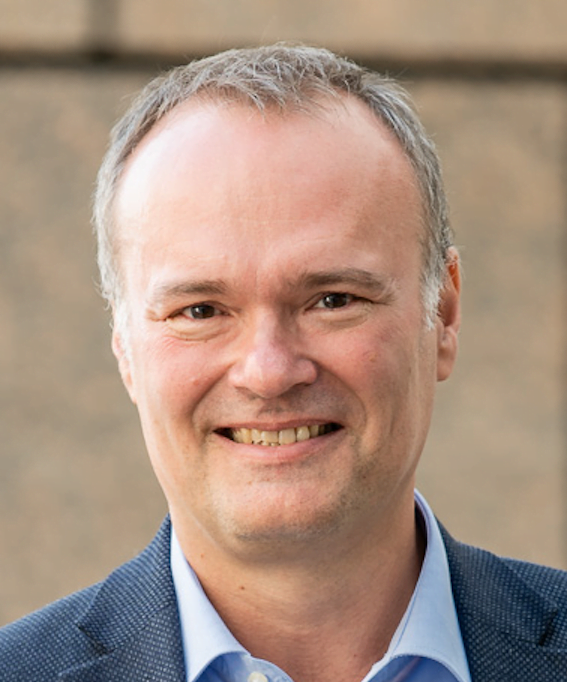
ECKER, Gerhard
Gerhard Ecker is Professor of Pharmacoinformatics and Head of the Pharmacoinformatics Research Group at the Department of Pharmaceutical Sciences, University of Vienna. Gerhard received his doctorate in natural sciences from the University of Vienna and performed his post-doctoral training at the group of J. Seydel in Borstel (Germany). His research focuses on computational drug design with special emphasis on drug-transporter interaction and in silico safety assessment. He participated in 5 EU-funded projects related to toxicology and coordinated the Open PHACTS project, which created an Open Pharmacological Space by semantic integration of public databases. Gerhard served 2009 – 2011 as President of the European Federation for Medicinal Chemistry, and from 2018 – 2022 as Dean at the Faculty of Life Sciences.
Prediction of Toxicity – let’s talk about fingerprints and imputation
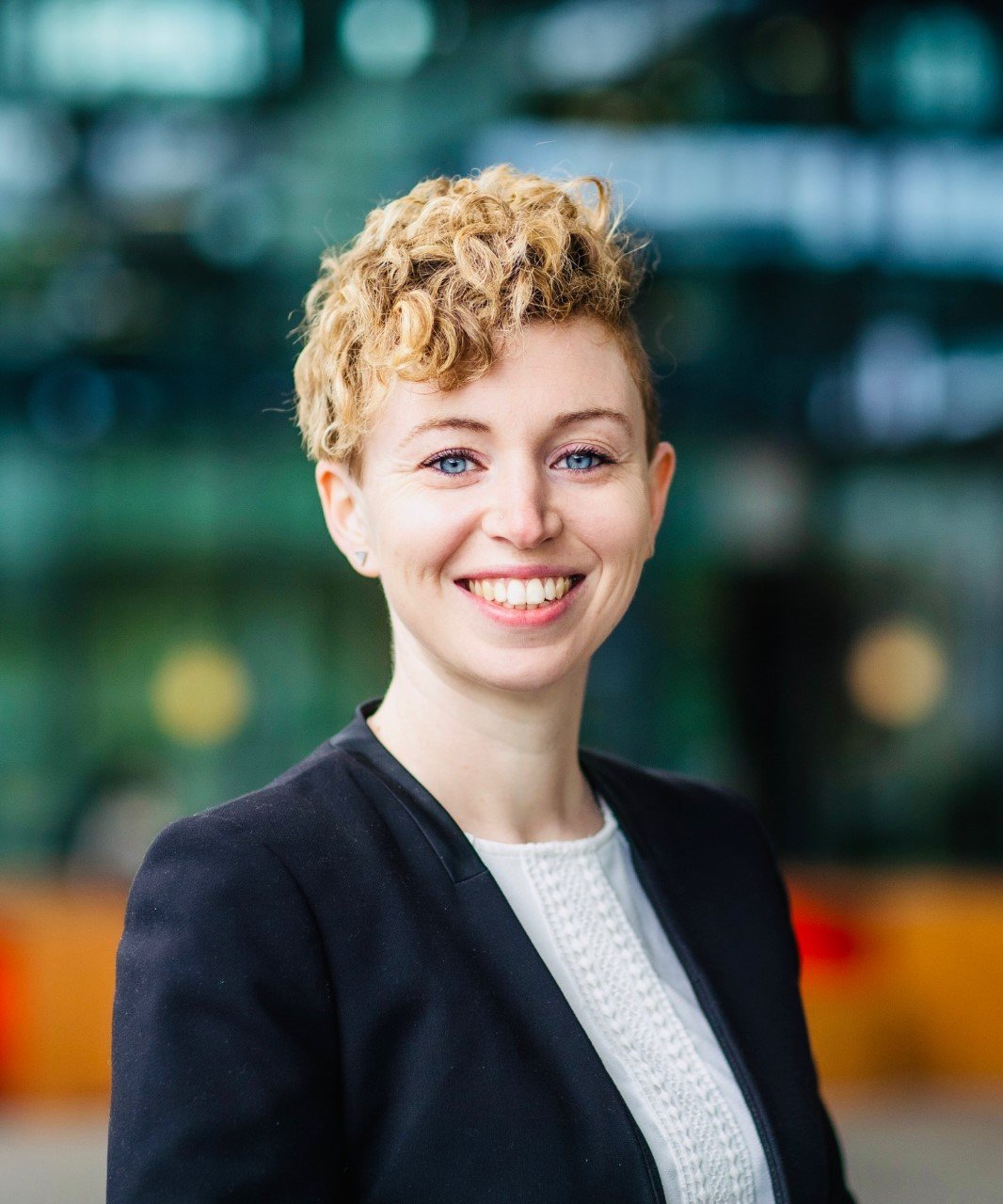
GRISONI, Francesca
Francesca Grisoni is an Associate Professor at the Eindhoven University of Technology, where she leads the Molecular Machine Learning Team. Over the past decade, Francesca has been fascinated by the challenge of pushing the boundaries of machine learning in the discovery of novel therapeutics. Prof. Grisoni received her Ph.D. in the group of Prof. Roberto Todeschini (University of Milano-Bicocca) on molecular machine learning for bioactivity prediction. After working in industry for a year, she joined at ETH Zurich (Prof. Gisbert Schneider’s group) as a postdoctoral researcher focusing on scaffold hopping approaches and generative deep learning. Her team works at the intersection of chemistry, biology, and computer science, to advance the potential of machine learning for drug discovery. Francesca’s research has been recognized several prizes and grants, such as the Excellence Award from the Federation of European Biochemical Societies (FEBS), the Royal Netherlands Academy of Arts and Sciences (KNAW) Early Career Award, a Vidi grant from the Dutch Research Council, and an ERC Starting Grant.
Chemical space exploration with artificial intelligence
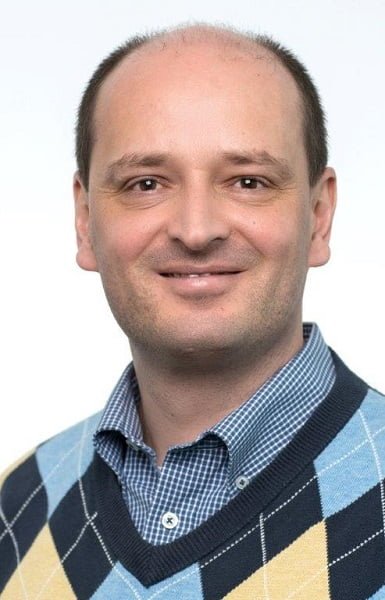
HESSLER, Gerhard
Gerhard Hessler pursued his chemistry studies at the Technische Hochschule Darmstadt, Germany, and the Technical University Munich, Germany. He earned his Ph.D. in chemistry in 1997 from the Technical University of Munich under the supervision of Prof. Dr. Horst Kessler. His doctoral research focused on NMR-based conformational analysis of biologically active peptides and oligonucleotides. Following his academic work, Gerhard Hessler spent four years in the computational chemistry group of Central Research at Bayer AG, Leverkusen. In 2001, he transitioned to Aventis Pharma Deutschland GmbH (now Sanofi) in Frankfurt as a computational chemist, and has held various leadership positions in computational chemistry, structural biology, and drug design. Currently, Dr. Hessler is Head of Synthetic Molecular Design at Sanofi since 2017. In this role, he leads a team of computational and medicinal chemists, driving the successful identification of leads and clinical candidates for small molecules and peptides. Throughout his industrial career, Dr. Hessler has focused on applying ligand- and structure-based design techniques to drug development, particularly in the areas of cardiovascular diseases, diabetes, and immunology.
From Molecules to Design: Deep Learning in Drug Discovery
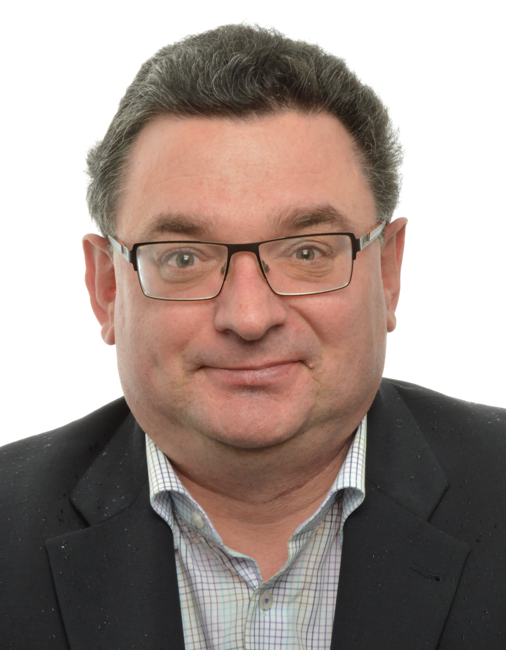
JACOBY, Edgar
Edgar Jacoby holds a Licence en Sciences Chimiques from Louvain and a Dr.rer.nat. in Computational Chemistry from the RWTH Aachen. After post-doctoral work in Molecular Biophysics at Harvard Medical School and The University of Chicago, he joined 1995 Servier as Cadre de Recherches in Molecular Modeling. 1999, he joined the Combinatorial Chemistry group at Novartis Central Technologies as Labhead for the in silico design of combinatorial compound libraries. From 2002-2012 he directed the Molecular and Library Informatics group in the Novartis Center of Proteomic Chemistry in Basel. In 2013, he joined Johnson and Johnson Innovative Medicine in Beerse as Senior Principal Scientist II in CADD. His main interests are in computational drug discovery, including screening deck enhancement, FBLD, virtual screening and hit-to-lead/lead optimization.
The VLAIO Dynaphor project as a successful example of an academia-industry collaboration – Dynamic Pharmacophores for In Silico Hit Identification in Ultra Large Compound Libraries.
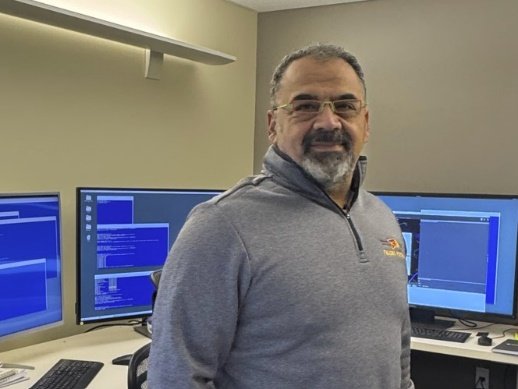
JALAIE, Mehran
Dr. Mehran Jalaie (MJ) is an Associate Research Fellow in the Medicine Design Department at Pfizer La Jolla, where he dedicates his expertise primarily to Oncology research. He earned both his B.S. and Ph.D. in Chemistry from Purdue University in 1999, followed by a postdoctoral fellowship at Eli Lilly. Dr. Jalaie launched his career at Pfizer, initially leading computational research initiatives for Cardiovascular and CNS projects. In 2007, he transitioned to the Oncology Therapeutic Area, where his scientific acumen has been instrumental in advancing efforts on critical Oncology targets, including groundbreaking projects such as PI3Ka, STING, CDK4/6, CDK4-selective, and HPK1. As Chair of Pfizer’s Global Virtual Screening team, Dr. Jalaie has been at the forefront of developing innovative tools for lead hopping and hit identification. His leadership has empowered his multidisciplinary team to excel in Virtual Screening across ultra-large chemical spaces and to harness DNA-encoded libraries for the discovery of novel PMC-enabled leads. Moreover, he actively cultivates collaborations with academic institutions, notably the Czech Academy of Sciences, to enhance in-house protein-ligand scoring methodologies. Throughout his career, Dr. Jalaie has authored nearly 60 publications and patents. His impactful contributions to the scientific community were honored in 2022 with the ACS Division of Organic Chemistry Mid-Career Investigator Award.
Methods in Drug Discovery: What They Didn’t Teach You in School!
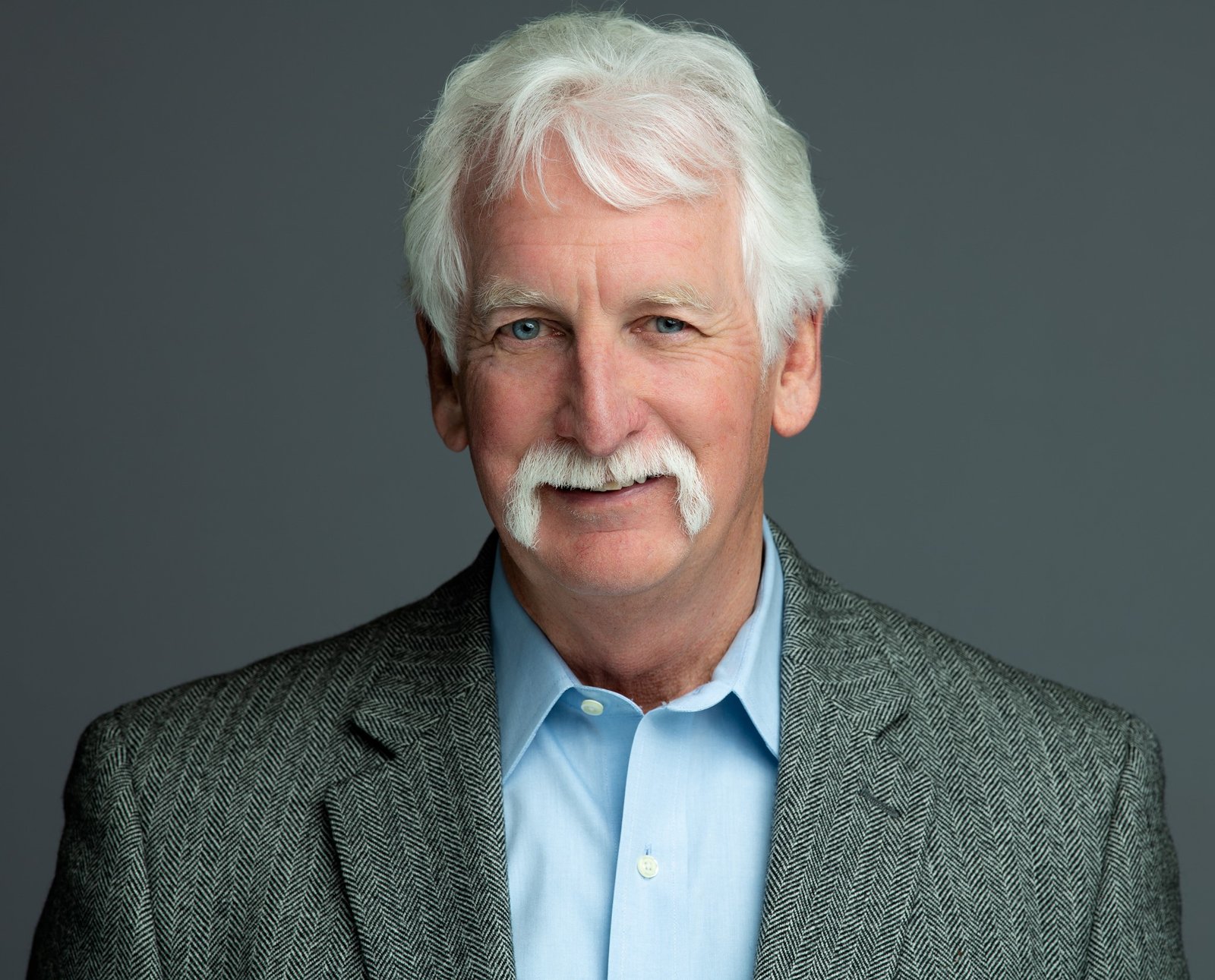
JORGENSEN, William L.
Since 1990 Bill Jorgensen has been on the faculty at Yale, where he is the Sterling Professor of Chemistry. Bill’s research has covered both computation and experiment. He has combined quantum, statistical, and molecular mechanics to model chemistry in solution. He has been a leader in computational studies of organic and enzymatic reactions in solution, molecular recognition, protein-ligand binding, and molecular properties. His OPLS force fields and TIPnP water models are widely used. Bill’s research group has also pursued de novo drug design, synthesis, and protein crystallography, particularly for anti-infective, anti-proliferative, and anti-inflammatory agents. He pioneered the use of free-energy perturbation calculations for widespread applications including efficient drug lead optimization.
Among honors, Bill has received the ACS Award for Computers in Chemical and Pharmaceutical Research, the ACS Hildebrand Award, AAAS and ACS Fellowships, the ISQBP Award in Computational Biology, the Sato International Award from the Pharmaceutical Society of Japan, the Tetrahedron Prize, and the Arthur C. Cope Award. He has been elected to membership in the International Academy of Quantum Molecular Science, American Academy of Arts & Sciences, and US National Academy of Sciences. He was the Editor of the ACS Journal of Chemical Information and Modeling during 2004-2013 and the Journal of Chemical Theory and Computation from its founding in 2005 through 2021.
Opening Keynote:
Evolution of Computer-Aided Drug Discovery
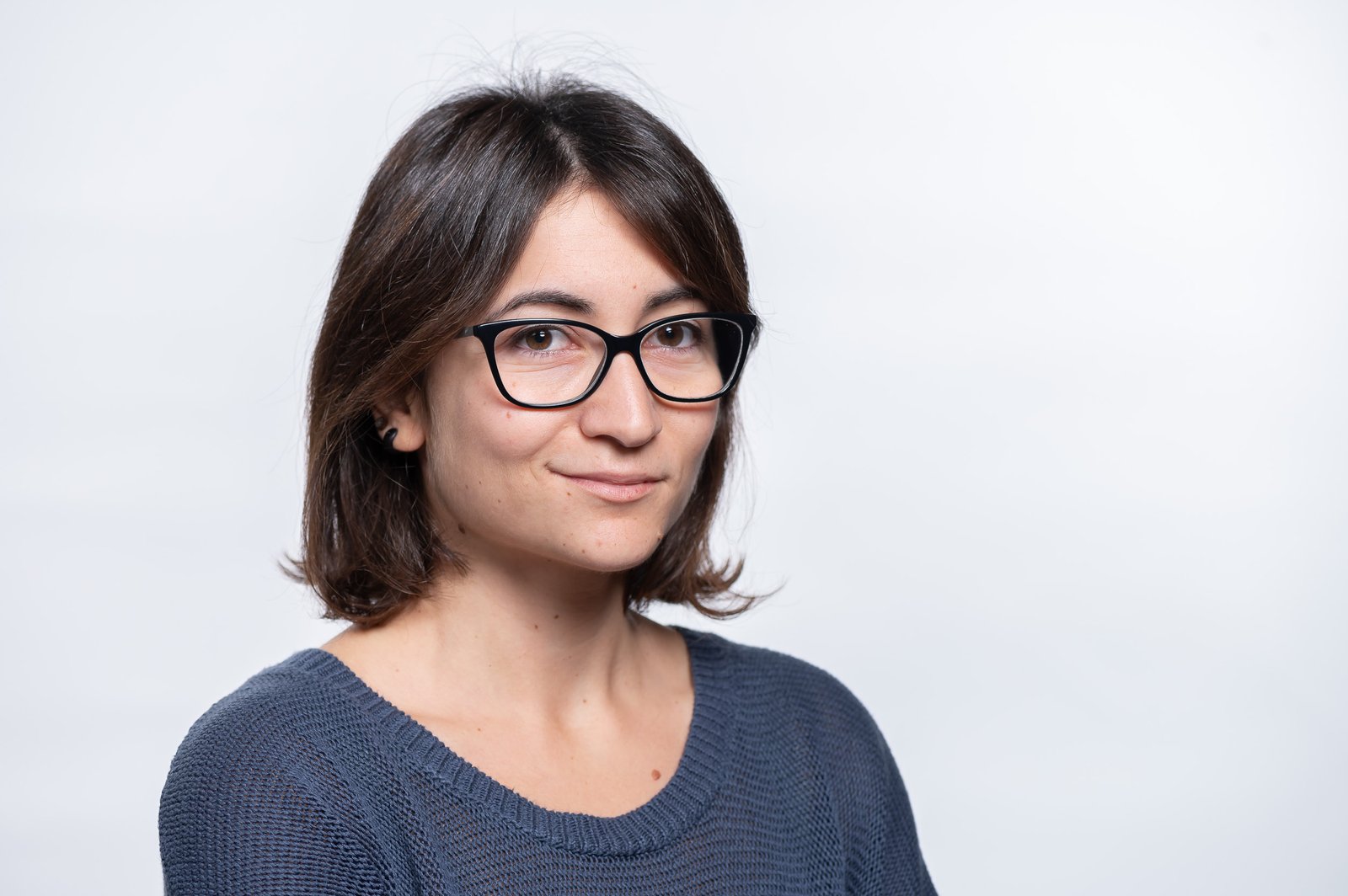
LA SALA, Giuseppina
Dr. Giuseppina La Sala is an Associate Principal Scientist in Computational Medicinal Chemistry at AstraZeneca, where she applies physics-based methodologies and ML/AI approaches to identify and develop drug candidates in different therapeutic areas. She is an expert in protein allostery and has developed methodologies for identifying allosteric pockets. Dr. La Sala earned her Master’s degree from the University of Siena and PhD from IIT Genova, including a visiting year at EPFL Lausanne. Prior to AstraZeneca, she worked as an Application Scientist at BiKi Technologies.
Harnessing molecular dynamics simulations for drug discovery. Applications in AstraZeneca
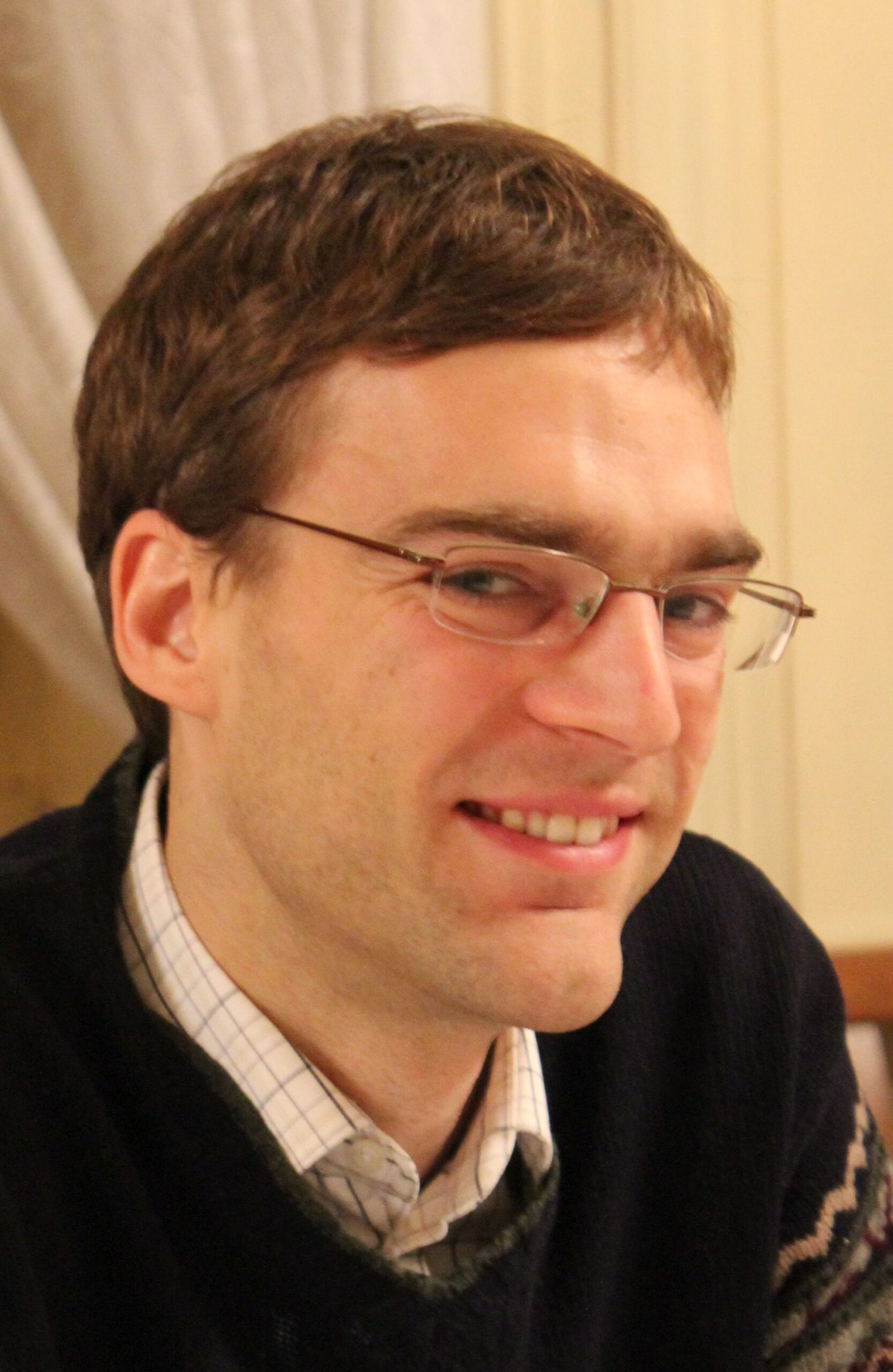
LEPŠÍK, Martin
Martin Lepšík is senior researcher at the Institute of Organic Chemistry and Biochemistry (IOCB), Prague, Czech Republic. His major research topic is protein-ligand non-covalent interactions described using quantum chemistry and molecular dynamics methods. The molecular systems he has been working on are rather varied, from inorganic boron clusters, via protein/cation/water/ligand complexes to insulin receptor. In 2018, Martin Lepšík was awarded Marie-Sklodowska-Curie Individual Fellowship to work for two years at CERMAV, CNRS, Grenoble, France with Anne Imberty on multivalent lectin ligands and also became visiting researcher at the University of Leeds, U.K. with Emanuele Paci. Martin Lepšík actively promotes computer-aided drug design by giving courses at Czech universities and his home research institute. Besides academic research, Martin Lepšík is part of team at IOCB which aims at commercionalisation of semiempirical quantum mechanical scoring of protein-ligand interactions. These efforts have resulted in repeated non-exclusive licensing of the software to Top-10 U.S. and European pharmaceutical companies.
Accurate Protein–Ligand Affinity Prediction via Quantum Mechanical Scoring on Structures Generated with Co-folding AI
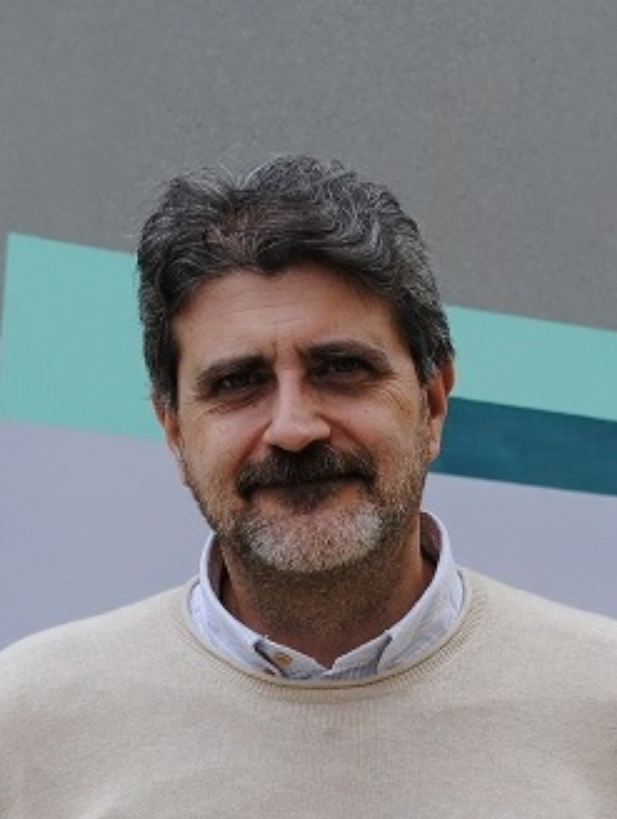
LUQUE, F. Javier
F. Javier Luque is Professor of Physical Chemistry in the Faculty of Pharmacy and Food Sciences and Head of the Computational Biology and Drug Design (CBDD) group at the University of Barcelona. He is a member of the Institute of Biomedicine and Institute of Theoretical and Computational Chemistry. After completing his doctorate in Chemistry, he did post-doctoral training in computational chemistry at the ETH, University of Pisa and University of Nancy. His research is focused on the study of biomolecular systems with the aim to explore the relationships among structure, dynamics, and function and the recognition between biomolecules. He is co-founder and scientific advisor of Pharmacelera, which aims to exploit quantum mechanical methods and machine learning techniques to develop novel technologies for drug discovery.
QM-based hydropathic descriptors to explore ligand-target interactions
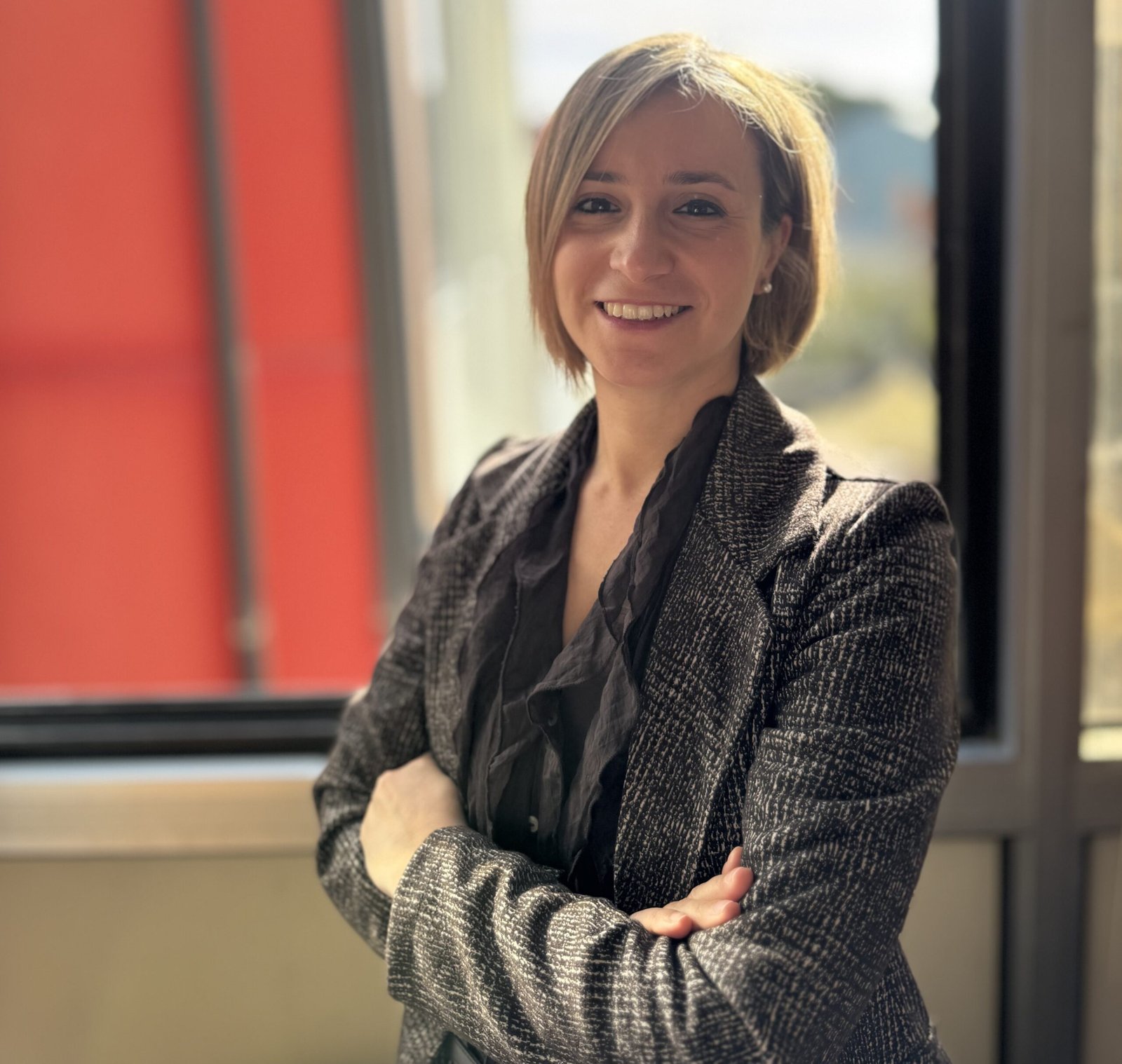
MORACA, Federica
Federica Moraca is an Associate Professor of Medicinal Chemistry in the Department of Pharmacy at the University of Naples “Federico II”, where she currently heads the Molecular Modelling Laboratory of Biological Simulations and Drug Discovery (BioSimDD Lab). She graduated from University “Magna Græcia” of Catanzaro the in 2010 and received her PhD in Pharmaceutical Science from the same institution in 2014. During her PhD, she spent a year working with Prof. Michele Parrinello’s research group at the Department of Chemistry and Applied Biosciences at ETH Zurich in Lugano. There, she focused on enhanced sampling methods applied for the accurate calculation of the absolute protein/DNA–ligand binding free energy using funnel metadynamics. Following her PhD, she has been awarded with the “Paul Ehrlich MedChem Euro-PhD” for her thesis work. She then worked as a postdoctoral researcher in Prof. Stefano Alcaro’s research group, focusing on all-atom molecular dynamics simulations, ligand- and structure-based pharmacophore models, and virtual screening techniques for drug-discovery and repurposing. In 2018, she moved to the Department of Pharmacy at the University of Naples “Federico II” first as short-term researcher and then as tenure-track researcher. Since 2018, she has also been a co-founder of the academic spin-off Net4Science, established with the Medicinal Chemistry group at the University “Magna Græcia” of Catanzaro, aimed on developing and repositioning bioactive compounds through multi-target approaches. She has also participated in projects stemming from the National Recovery and Resilience Plan (NRRP) of the National RNA & Gene Therapy Centre and she was also a Principal Investigator of the ONFOODS Extended Partnership. A central focus of her research is the study of ligand/target recognition mechanisms and the modulation of receptor response through enhanced sampling methods, with the aim of providing crucial insights into their mechanism of action and developing new molecular entities with potential anti-tumour activity.
Bridging Receptor Dynamics with Drug Discovery. Insights from Enhanced Sampling Methods.
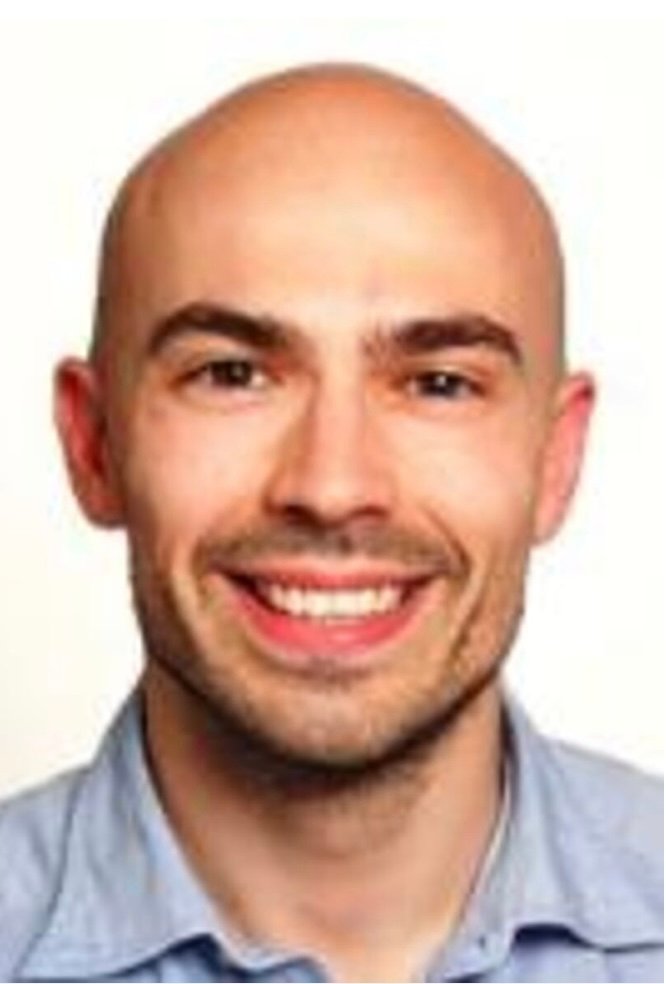
PALA, Daniele
Daniele earned his EUROPIN PhD in 2012 after conducting research on GPCR modulators in Prof. Mor’s group at the University of Parma, complemented by an internship at Schrödinger (NY) on GPCR homology modeling. He later held a postdoctoral position at the University of Parma, contributing to the design of DNA-interacting molecules, glycoside hydrolase inhibitors, and protein-protein interaction inhibitors. He is a Principal Scientist in Computational Chemistry at Chiesi Farmaceutici in Parma. He applies a broad spectrum of computational tools to support drug discovery for respiratory diseases, spanning early-stage target validation to late-phase lead optimization. His work integrates proprietary biophysical, structural, and pharmacological data to design protein-protein interaction inhibitors and peptide modulators.
Ligand-based design meets co-folding: optimization of benzoxazine derivatives as P2X3 antagonists
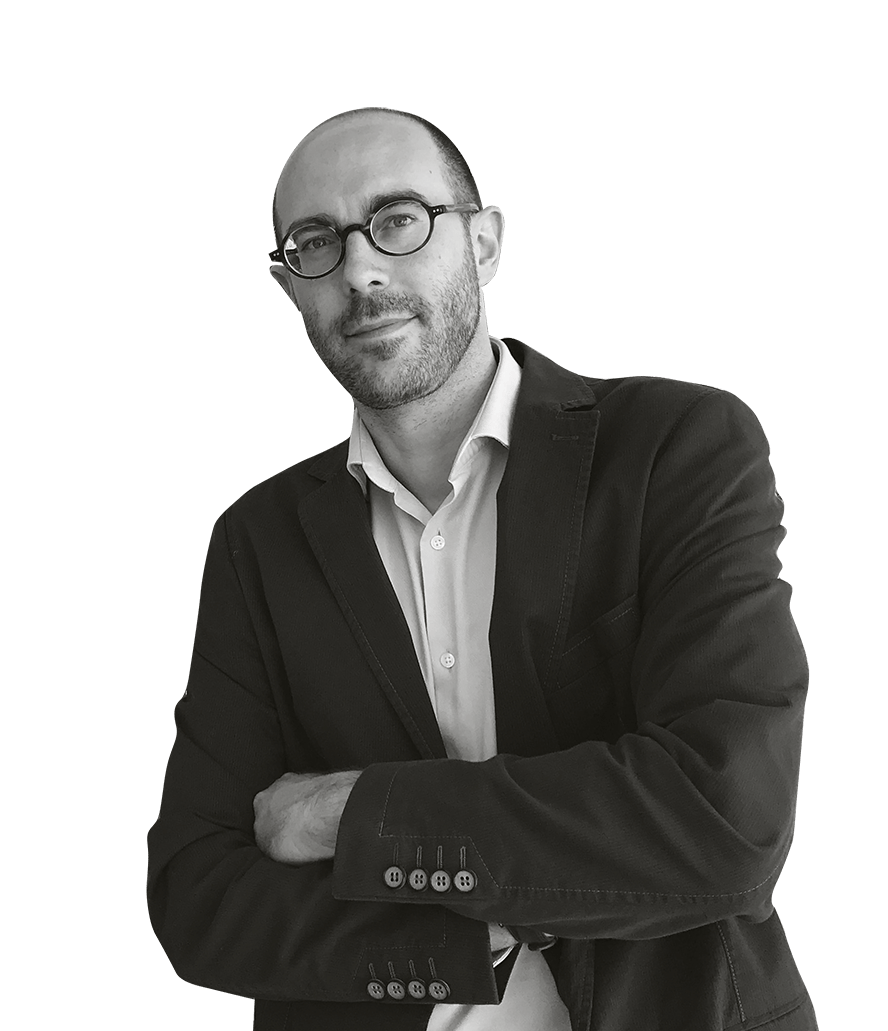
PERRICONE, Ugo
Ugo Perricone graduated in Pharmaceutical Chemistry and Technology at the University of Palermo, completing his studies, first with a specialisation in mass spectrometry and then with a Ph.D. in Molecular and Biomolecular Sciences. During his doctorate he attended the University of Vienna, under the guidance of Prof. Thierry Langer, where he carried out studies aimed at the development of dynamic pharmacophores to be used in the processes of molecular virtual screening. Before starting PhD programme, he has worked in the field of project and quality management applied to the improvement of chemical processes. In 2016 he was selected by the Fondazione Ri.MED and included in the Drug Design team. From 2018, he is the Principal Scientist of the Molecular Informatics group and of the compound management facility. He is specialised in the use of chemoinformatics to characterise small molecules and molecular modelling to simulate the drug-receptor interaction. In the last years Ugo has focused his main interest in the application of AI in chemoinformatics to characterise and study the role of xenobiotics in human health.
Revisiting Deep Learning DTA algorithms from the dataset point of view
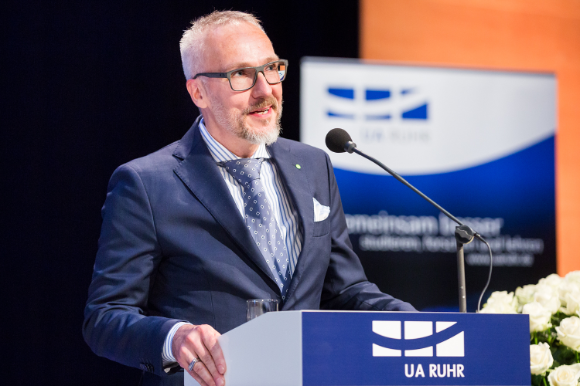
RAUH, Daniel
Daniel Rauh studied pharmacy in Greifswald and received his PhD in 2003 with Gerhard Klebe at the University of Marburg. During postdoctoral research with Milton Stubbs in Halle and Kevan Shokat at the University of California, San Francisco, he developed a strong interest in structure-guided drug discovery and chemical biology, which led to his appointment as an independent group leader at the Chemical Genomics Centre of the Max Planck Society in Dortmund. Since 2013, Rauh has served as Professor and Chair of Chemical Biology and Drug Discovery at TU Dortmund University. His work combines protein X-ray crystallography, medicinal chemistry, and structure-based design to develop targeted therapies for genetically defined cancers and to understand the molecular mechanisms of acquired drug resistance. Beyond his academic research, Rauh is actively engaged in translational drug discovery. He founded the Centre for Integrated Drug Research (ZIW) and the Drug Discovery Hub Dortmund (DDHD), initiatives aimed at bridging academic discovery and pharmaceutical development. Through these platforms and collaborations with academic and industrial partners, his work seeks to translate basic discoveries into therapeutic strategies. Rauh is also a scientific founder of several biotechnology start-ups focused on the development of next-generation targeted cancer therapies.
Advancing precision oncology through functional screening and small-molecule design
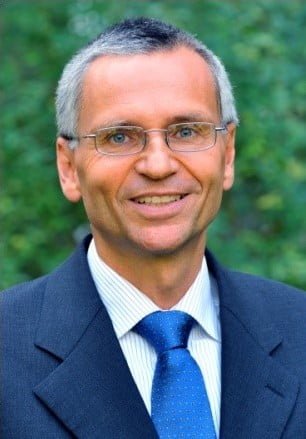
SCHLEIFER, Klaus-Jürgen
Prof. Schleifer is a pharmacist and has been with BASF for more than 20 years. In his current position as Vice President, he is responsible for Drug Discovery and Molecular Modeling in BASF Group Research. At the same time, he is Associate Professor of Pharmaceutical Chemistry at Heinrich Heine University Düsseldorf.
3FTx – from Toxin to Therapy
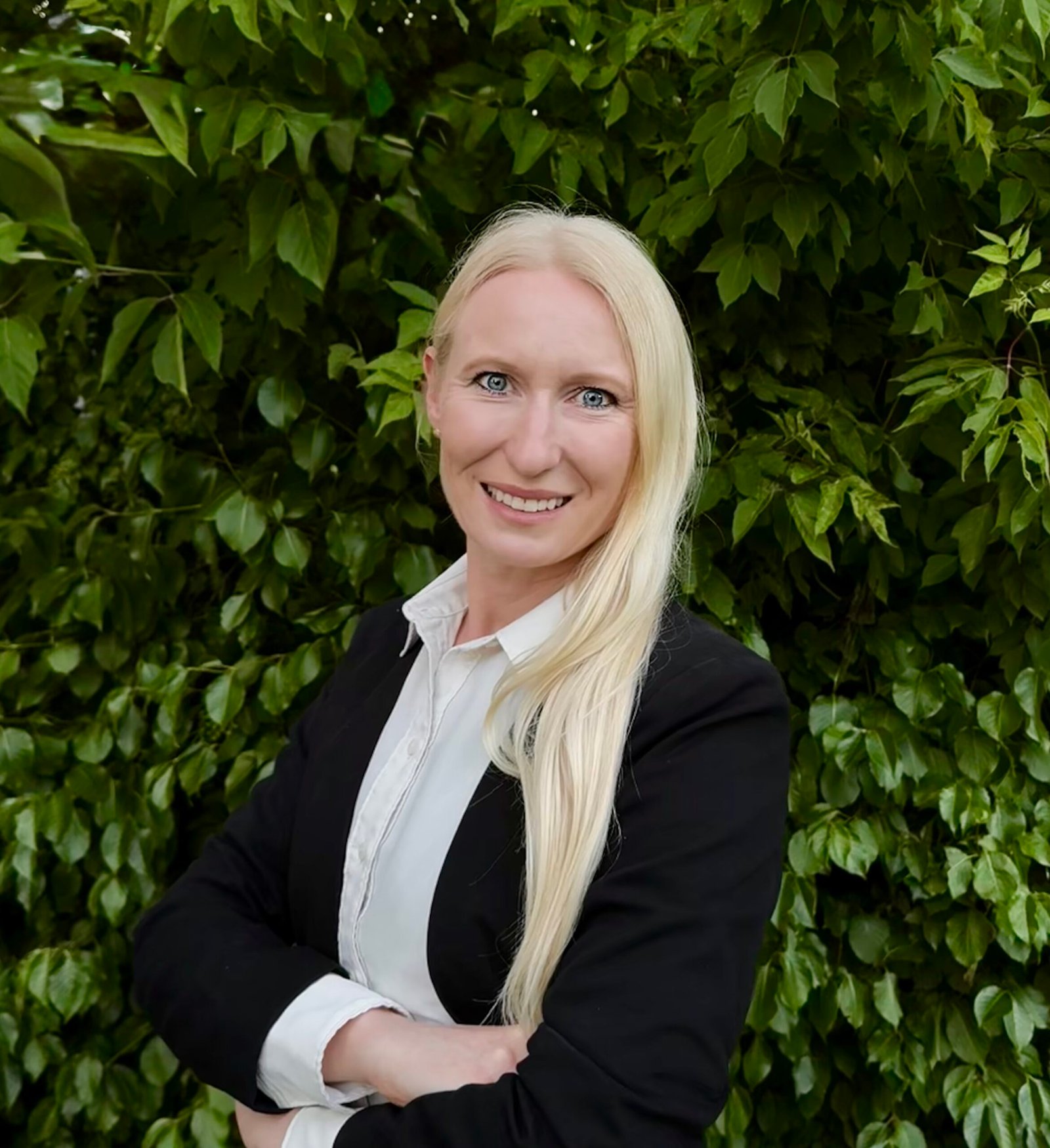
SCHÜTZ, Doris
Doris Schütz works as Scientific Director in Computational Chemistry at Boehringer Ingelheim in Vienna. She received her PhD from the University of Vienna, and worked as an application scienticst at Inte:Ligand GmbH before she left Austria to start working at the Institute for research in Immunology and Cancerology (IRIC) in Montreal, Canada. She worked there for more than 7 years, and she led a group of computational chemists in the department of drug discovery.
Her expertise spans from structure-based design across hit-to-lead and lead optimization, including small molecules, PROTACs, protein–protein interaction modulators, and molecular glue degraders. During her time in Montreal she contributed to multiple patents and publications, one of them in “Science”.
From Initial Hit to Clinical Candidate: BI 1810631
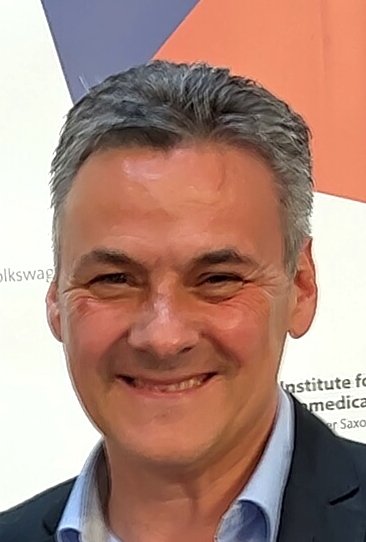
SIPPL, Wolfgang
Wolfgang Sippl is Professor for Medicinal Chemistry at the Martin-Luther-University of Halle-Wittenberg (Germany). He obtained a Ph. D. in 1997 in Pharmaceutical Chemistry at the University of Düsseldorf in the group of Hans-Dieter Höltje and was a post-doctoral fellow at the Université Louis-Pasteur in Strasbourg (France) where he worked with Camille G. Wermuth. Since 2003 he is Full Professor at the University of Halle-Wittenberg and from 2010 to 2018 he was Director of the Institute of Pharmacy in Halle. He has published more than 300 articles mainly related to drug design virtual screening and structure-based optimization of epigenetic modulators and PROTACs. He has edited four books including and gave more than 100 invited lectures. His research focuses on the drug design of epigenetic modulators and PROTACs which not only led to the development of successful virtual screening methods but also resulted in the development and biological characterization of novel epigenetic modulators for the treatment of cancer and parasitic diseases.
Structure-Driven Innovation in Precision HDAC Targeting for Tumor Suppression
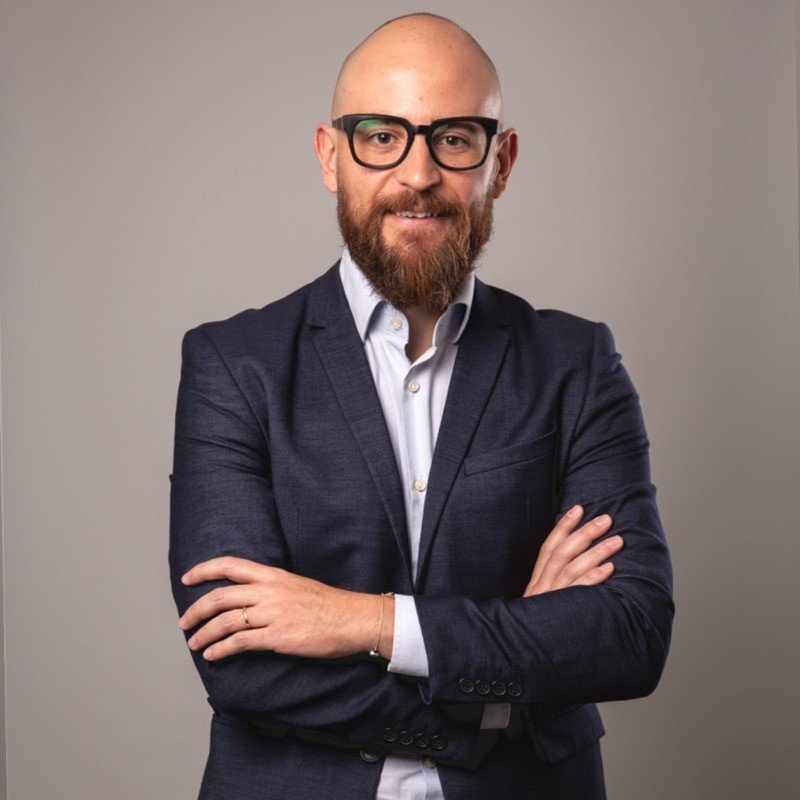
TALARICO, Carmine
Dr. Carmine Talarico is an experienced computational scientist and experienced team leader with extensive expertise in in silico drug discovery, AI-driven molecular modeling, molecular simulation, and structural biology. He currently serves as Structural Biology Manager within the Exscalate team, where he contributes to the development and application of advanced computational and structural biology approaches for drug discovery. Throughout his career, he has led integrated research programs at the interface of computational science, structural biology, and therapeutic innovation, contributing to drug design efforts across both academic and industrial environments. He has a strong track record in leading multidisciplinary and international teams, combining high-performance computing, machine learning, and physics-based simulation approaches to accelerate the identification, characterization, and optimization of therapeutic candidates.
EXSCALATE: An Integrated AI and HPC Platform for Modern Drug Discovery – Platform overview and real-world applications
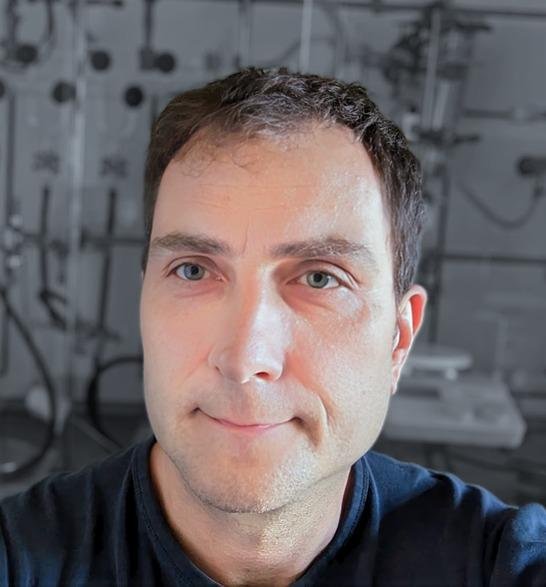
WOLBER, Gerhard
Gerhard Wolber is professor for Pharmaceutical Chemistry and head of the computational chemistry group at the Institute of Pharmacy at the Freie Universität Berlin since 2010. After his studies of pharmacy at the University of Innsbruck and Computer Science at the Technical University of Vienna, he received his PhD in pharmaceutical chemistry at the University of Innsbruck. In 2003 he co-founded the molecular modeling software company Inte:Ligand. In 2008 he changed back to academia as assistant professor at the University of Innsbruck before changing to the Freie Universität Berlin in 2010. His lab bridges algorithmic design and applied computational drug discovery to develop quantitative models for the effects of small molecules on macromolecules and cellular pathways. To achieve this, the group uses a combination of biophysical in vitro methods with statistical molecular mechanics and heuristically derived interaction patterns (3D pharmacophores, dynophores).
Beyond Static Structures – Dynamic Pharmacophores for Mechanism-Based Drug Discovery